Markets as Windows into Neighborhood Soul
February 10, 2026

February 10, 2026
Farmers markets in New York City serve as much more than places to purchase fresh produce and artisanal goods. They function as community gathering spaces, cultural crossroads, and authentic expressions of neighborhood character. Understanding a neighborhood's market scene provides insights that go far beyond what any demographic data or property listing can convey.
The farmers market movement in New York City has grown to a network of over seventy locations operating year-round across all five boroughs. Each market develops its own personality based on the neighborhood it serves, the vendors it attracts, and the community that gathers there. In February, when bitter winds sweep through the city, these markets reveal their true character. The crowds thin, but the commitment deepens. The shoppers who brave the cold and the farmers who make the journey create bonds forged through shared resilience.
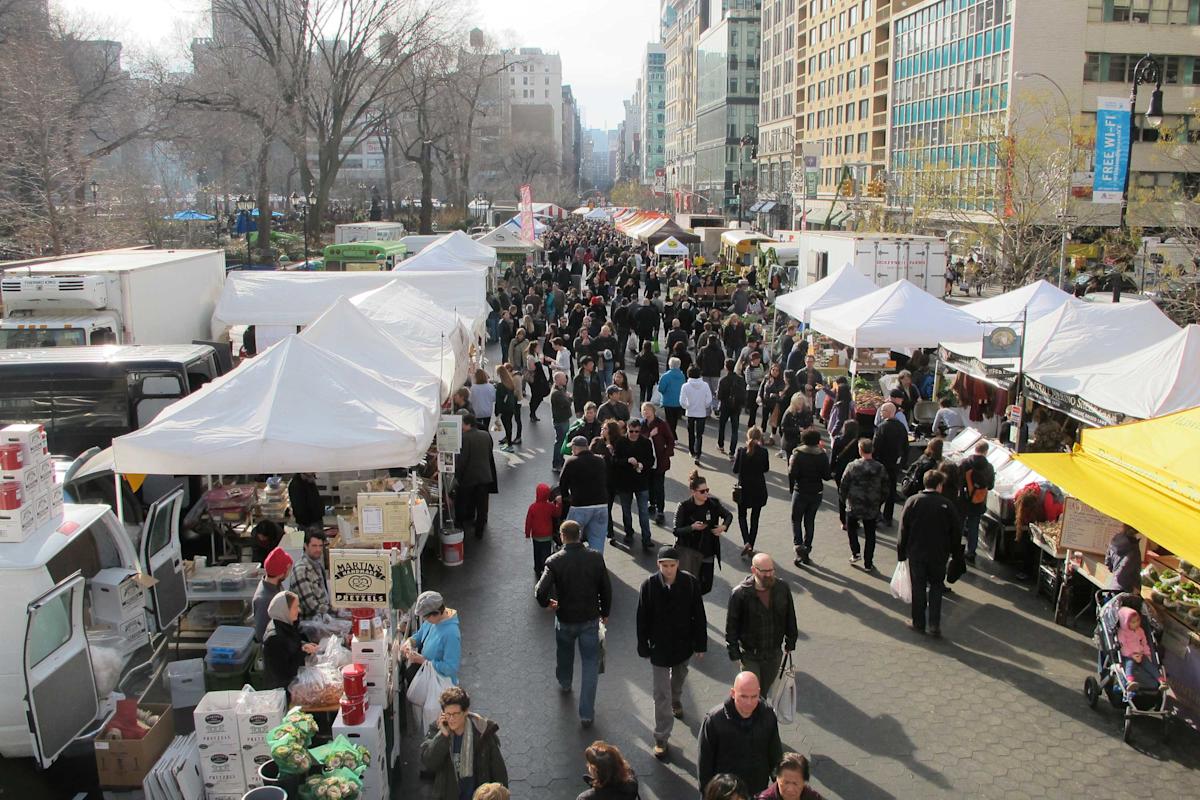
The Union Square Greenmarket stands as the most famous farmers market in New York City. Operating four days a week throughout the year, the market transforms Union Square Park into a bustling agricultural marketplace with over 140 regional farmers, fishers, and bakers participating on peak days, though February sees a more intimate gathering of the most dedicated vendors and shoppers.
Vendors travel from farms across New York State, New Jersey, Pennsylvania, and Connecticut, bringing what the winter months offer: storage apples that have been carefully kept since fall harvest, root vegetables like parsnips, turnips, and beets that grow sweeter after frost, hardy greens from hoop houses, and the first tappings of maple syrup as sugar season begins. Beyond produce, fishmongers sell oysters thriving in cold waters, bakers offer bread made with regional grains, and cheese makers present aged products that have matured through winter. Prepared food vendors offer warming soups and hot beverages, making the February market a place to gather for comfort as much as commerce.
The Grand Army Plaza Greenmarket operates every Saturday year-round at the entrance to Prospect Park, serving Park Slope, Prospect Heights, and surrounding communities. In February, shoppers bundle up and combine market visits with brisk walks in the park, the winter landscape offering its own stark beauty alongside the Brooklyn Public Library, Brooklyn Museum, or Brooklyn Botanic Garden.
Regular shoppers develop relationships with particular vendors, returning week after week to the same stands. In winter, this consistency transforms shopping from a transaction into an act of mutual support. The market accepts SNAP benefits and participates in programs that match government food assistance dollars, making locally grown food accessible to a broader segment of the population, a commitment that matters even more during the challenging winter months.
Astoria's farmers markets reflect the neighborhood's incredible cultural diversity. The Astoria Greenmarket operates on Wednesdays year-round, while the Sunday market returns in warmer months. Even in February, these markets create intersections where upstate New York's winter harvest meets Mediterranean, Middle Eastern, and Latin American culinary traditions.
Shoppers represent the neighborhood's demographic diversity, with conversations happening in multiple languages. Vendors adjust their offerings to reflect both the season and culinary preferences. February markets feature abundant root vegetables, storage onions, potatoes, and winter squash essential to countless warming traditional dishes. Vendors offering fermented vegetables, pickles, and preserves see particularly strong demand as cooks prepare hearty winter meals. This responsiveness demonstrates how farmers markets function as two-way conversations between producers and consumers, adapting to both season and culture.
Harlem's farmers markets serve a vital role in a neighborhood with a complex relationship to food access. The 125th Street Farmers Market and other year-round locations provide fresh produce in areas that have historically been underserved by full-service grocery stores, functioning as community development initiatives that address food justice issues regardless of season.
The markets emphasize affordability and accessibility. Participation in programs that match SNAP benefits dollar for dollar helps ensure that fresh, locally grown food remains within reach across all income levels, a mission that becomes even more critical during winter when heating costs rise and fresh food options often decrease. Vendors include regional farmers alongside community members selling prepared foods, baked goods, and value-added products like jams and hot sauces made from the previous season's harvest, creating a market experience that honors both traditional foodways and contemporary food movements.
The Lower East Side's farmers markets operate in one of New York's most historically significant food neighborhoods. The outdoor markets that operate seasonally return in spring, but the year-round Essex Street Market continues to anchor the neighborhood's food scene, creating connections between the neighborhood's immigrant food heritage and contemporary local food movements even through the coldest months.
When outdoor markets return, they draw shoppers from an increasingly diverse population including long-time residents, recent immigrants, and newcomers. The Lower East Side's restaurant culture, ranging from historic delis to cutting-edge contemporary dining, creates a sophisticated audience for farmers market goods year-round, with chefs shopping for winter ingredients like Jerusalem artichokes, celery root, and preserved goods that inform seasonal menus.
The Fort Greene Park Greenmarket operates on Saturdays year-round, serving a neighborhood known for its cultural institutions and beautiful architecture. The market's location near the Brooklyn Academy of Music creates natural connections between cultural engagement and food consciousness. In February, shoppers often warm up with coffee before or after browsing the market, turning the experience into an extended winter ritual.
The carefully selected vendors bring exceptional products and deep knowledge about cooking with winter's offerings. Shoppers develop loyalty to particular stands, creating vendor-customer relationships that extend beyond purchases to sharing recipes for root vegetable stews, preservation techniques, and cooking tips for hardy greens. Live music may be less frequent in the cold, but community organizations, and families teaching children about food sources and seasonal eating make the market feel integrated into neighborhood life regardless of weather.
Farmers markets serve as weekly gatherings that strengthen community bonds, support regional agriculture, and provide alternatives to industrial food systems. The character of a neighborhood's farmers market, especially its commitment to operating year-round, reveals the community's priorities and values.
A well-attended winter market with dedicated vendors and shoppers suggests a community that values local commerce and creates spaces for neighbors to connect even when it would be easier to shop online or in heated supermarkets. The presence of programs addressing food access indicates commitment to equity. Understanding the market landscape in neighborhoods you are considering, including how they function in February's cold, provides valuable insights into how communities gather, what they value, and how neighbors connect with each other, elements that contribute significantly to quality of life and neighborhood satisfaction.





Our team is passionate about real estate, and is a valuable resource for real estate knowledge and guidance. We look forward to working with you!
CONTACT US